Plant Branches Flat Icon: Olive, Laurel, and Natural Symbolism in Web Design
In the realm of digital interface design, visual shorthand plays a critical role in user experience. Among the myriad of graphic assets available to designers, the Plant Branches Flat Icon set—featuring olive branches, laurel wreaths, wheat ears, and hops—offers a distinct blend of classical symbolism and modern minimalism. These vector illustration elements are not merely decorative; they serve as functional signifiers for concepts ranging from triumph and victory to natural ingredients and organic quality. Understanding when and how to deploy these specific botanical icons can significantly enhance the clarity and aesthetic appeal of web projects.
Defining the Asset: More Than Just Decoration
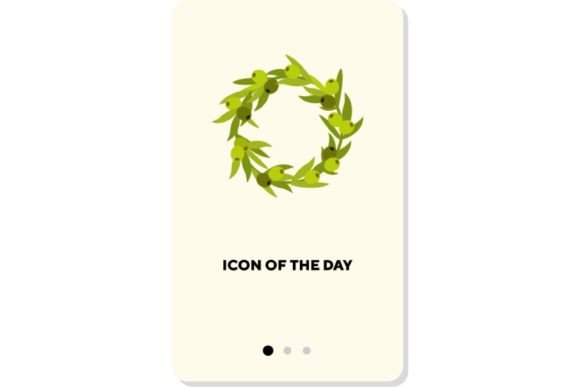
A flat icon is characterized by its two-dimensional appearance, lack of gradients, shadows, or textures, and reliance on simple shapes and solid colors. When applied to botanical subjects like the olive branch or laurel wreath, this style strips away realistic detail to focus on immediate recognizability. The Plant Branches Flat Icon collection typically isolates these elements, allowing them to function as standalone signs rather than parts of a complex scene.
The inclusion of specific plants such as the olive, laurel, wheat, and hop is deliberate. Each carries historical and cultural weight. The olive branch is universally recognized as a symbol of peace and harmony. The laurel wreath has roots in ancient Greece and Rome, representing victory, status, and achievement. Wheat ears denote agriculture, harvest, and sustenance, while hops are strongly associated with brewing and craftsmanship. By combining these into a cohesive flat design set, creators provide a toolkit for communicating nuanced ideas without relying on text.
Why Designers and Brands Choose Botanical Flat Icons
The decision to use these specific icons often stems from a need to convey trust, heritage, or natural quality. In an era where consumers are increasingly conscious of sustainability and organic sourcing, visual cues matter. A website selling artisanal foods, eco-friendly cosmetics, or wellness products may find that a stylized wheat ear or olive branch communicates "natural ingredient" more effectively than a photograph, which can sometimes feel cluttered or generic.
Furthermore, flat icons are highly versatile from a technical standpoint. As vector illustrations, they are resolution-independent. This means they scale perfectly from a small mobile favicon to a large desktop banner without losing clarity. For web designers, this reduces the need to create multiple asset versions for different screen densities, streamlining the development process.
Key Benefits of Using Vector Plant Icons
- Scalability: Vector formats ensure crisp edges at any size, crucial for responsive web design.
- Load Speed: Simple SVG files are lightweight, contributing to faster page load times compared to high-resolution raster images.
- Customizability: Colors can be easily adjusted via CSS or editing software to match brand guidelines instantly.
- Universal Recognition: Symbols like the laurel wreath transcend language barriers, aiding international usability.
Evaluating Fit: When These Icons Work Best
Determining whether the Plant Branches Flat Icon set aligns with your project goals requires analyzing your brand identity and user expectations. These icons are a strong fit for industries that value tradition, nature, or excellence. For instance, a legal firm might use a laurel wreath to subtly suggest victory and prestige in court cases. A brewery could utilize hop icons to highlight craft ingredients. Similarly, health and wellness platforms often employ olive branches to evoke feelings of calm and balance.
The flat design style is particularly effective in modern, clean interfaces where whitespace is abundant. If your website follows a minimalist aesthetic, these isolated signs integrate seamlessly without disrupting the visual flow. They act as subtle anchors that guide the user’s eye without demanding excessive attention.
Tradeoffs and Considerations
While versatile, flat botanical icons are not a universal solution. One significant consideration is the potential for ambiguity. Because flat design removes realistic detail, an olive branch might be mistaken for a generic leaf if not styled carefully. Designers must ensure that the silhouette of each plant is distinct enough to be recognized instantly. Context is key; pairing the icon with clear labeling or placing it within a relevant section mitigates confusion.
Another tradeoff involves emotional resonance. Photorealistic images can evoke strong sensory responses—the texture of wheat, the gloss of an olive. Flat icons, by nature, are abstract. If your goal is to stimulate appetite or convey luxury through tactile richness, a flat icon may feel too sterile. In such cases, high-quality photography or detailed illustrations might be more appropriate.
Alternatives to Consider
If the flat style does not fully meet your needs, several alternatives exist. Line icons offer a similar level of simplicity but with a lighter, more airy feel, which may suit brands aiming for elegance rather than boldness. Hand-drawn or sketch-style icons can add a human, artisanal touch that flat vectors sometimes lack, making them suitable for boutique or handmade product markets.
Additionally, 3D icons have gained popularity for adding depth and playfulness to interfaces. However, they come with higher file sizes and complexity. For projects prioritizing performance and simplicity, the flat vector approach remains superior. It is essential to weigh the aesthetic desire against technical constraints and user experience goals.
Practical Decision-Making Insights
When selecting these icons for your web design, consider the following steps to ensure they enhance rather than distract:
- Audit Your Content: Identify where symbolic representation adds value. Do you need to signify "award-winning" (laurel) or "organic" (wheat/olive)? Avoid using icons purely for decoration if they do not support content comprehension.
- Check Consistency: Ensure the stroke width, color palette, and level of detail in the plant branches match your existing icon set. Inconsistency can make a site look unprofessional.
- Test for Accessibility: Remember that icons alone may not be accessible to all users. Always include alt text for screen readers and consider adding visible labels for critical navigation elements.
- Evaluate Color Psychology: While flat icons allow easy color changes, stick to hues that reinforce the plant’s natural association or your brand identity. Green suggests freshness, gold implies prestige, and earth tones convey reliability.
Ultimately, the Plant Branches Flat Icon featuring olive, laurel, wheat, and hop elements serves as a powerful tool for visual communication. It bridges the gap between classical symbolism and modern digital requirements. By understanding the specific connotations of each plant and the technical advantages of flat vector graphics, designers can make informed decisions that elevate user experience. Whether signaling triumph, peace, or natural purity, these icons offer a refined way to connect with audiences who value clarity and meaning in their digital interactions.